
When it comes to troubleshooting electrical issues in your Smithfield home, knowing where to start can make all the difference. You’ll want to check your circuit breaker panel first, but that’s just the beginning. From inspecting light fixtures to testing GFCI devices, each step is essential for ensuring safety and functionality. Curious about the most effective methods to tackle these challenges? Let’s explore the practical tips that can help you navigate these common repairs.
Check Your Circuit Breaker Panel
When troubleshooting electrical issues, the first step is to check your circuit breaker panel. Open the panel and look for any tripped breakers—these will be in the “off” position or between “on” and “off.”
If you find one, flip it fully to the “off” position and then back to “on.” This simple action can often restore power to affected areas.
Next, check for any blown fuses if your system uses fuses instead of breakers.
If you’re still experiencing problems, it might be worthwhile to note any unusual smells or signs of overheating near the panel. Keep in mind that frequent tripping can indicate a more serious issue, like overloaded circuits or faulty wiring. If issues persist, consider professional help—our circuit breaker installation services ensure your system is up to modern safety standards.
If you’re unsure, it’s best to contact a licensed electrician from Get Lit Electrical & Plumbing to guarantee your safety and address the problem effectively.
Inspect Light Fixtures and Switches
Before diving deeper into electrical issues, it’s crucial to inspect your light fixtures and switches. Start by checking for any visible signs of damage like cracks, burns, or discoloration. These could indicate electrical problems that need immediate attention. If a fixture isn’t working, try replacing the bulb first, as it’s often the simplest solution.
Next, examine the switches. Flip them on and off to verify they’re functioning properly. If you hear any buzzing or notice flickering lights, you might have a faulty switch. Tighten any screws that hold the switch in place, as loose connections can lead to issues.
Remember to turn off the power at the circuit breaker before working on any fixtures or switches. If you frequently experience issues, having certified residential electricians evaluate your system can enhance reliability and safety.
If problems persist, it may be time to consult with a licensed electrician to avoid more serious electrical hazards.
Examine Outlets for Damage
As you troubleshoot electrical issues, examining your outlets for damage is essential. Start by visually inspecting each outlet for cracks, burn marks, or signs of wear. If you notice any discoloration or charring, it’s a clear indication that something’s not right.
Don’t forget to check if the outlet feels warm to the touch, as this can signal overheating.
Next, verify that all outlet covers are securely in place; loose covers can expose wiring and create hazards. If you have any outlets that are loose or wobbly, they may need replacement or tightening.
Lastly, consider testing the outlets with a voltage tester to confirm they’re functioning correctly. If you find any issues, it’s best to consult a licensed electrician. Residents can rely on our Smithfield electrical repair specialists for fast, local assistance.
Taking these steps can help prevent more significant problems and keep your home safe.
Test GFCI and AFCI Devices
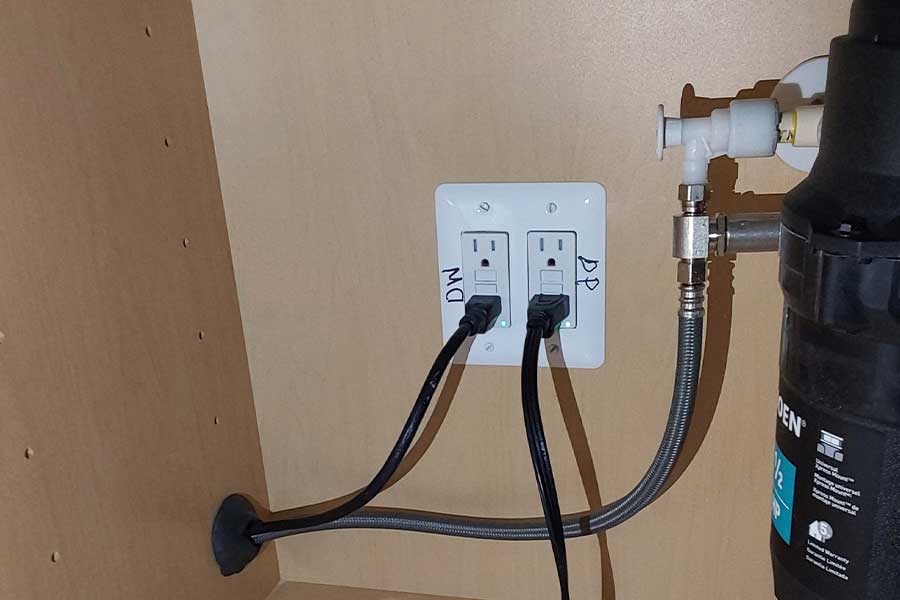
To guarantee your electrical system is functioning safely, regularly testing Ground Fault Circuit Interrupter (GFCI) and Arc Fault Circuit Interrupter (AFCI) devices is vital.
Start by locating the test and reset buttons on each GFCI outlet. Press the test button; the reset button should pop out, indicating it’s working. If it doesn’t, you need to replace the device.
For AFCIs, you can also find a test button, which should be pressed to verify it’s functioning properly. If these devices don’t reset or pass the test, it’s important to call a licensed electrician.
Regular testing helps protect against electrical shock and prevents fires caused by arc faults. Aim to test these devices monthly to stay proactive about safety. Additionally, ensuring your circuit breakers are properly calibrated enhances system functionality and safety.
Identify Flickering Lights
Flickering lights can be more than just an annoying distraction; they often signal underlying electrical issues that need attention. If you’re experiencing this problem, it’s essential to identify the cause before it escalates.
Here are some common reasons for flickering lights:
- Loose or faulty light bulbs
- Wiring issues or damaged connections
- Overloaded circuits
- Voltage fluctuations from your utility company
- Incompatible dimmer switches
Start by checking the light bulbs to verify they’re securely tightened. If that doesn’t solve the issue, inspect your circuit breaker for any overloaded circuits.
Curious if your circuit breaker could be the root cause? Learn about the warning signs that your circuit breaker needs replacement to prevent unexpected outages.
If you’re unsure, don’t hesitate to reach out to a licensed electrician. Ignoring flickering lights could lead to more significant problems down the line, so it’s best to address them promptly.
Monitor for Unusual Odors or Sounds
When you notice unusual odors or sounds coming from your electrical systems, it’s crucial to take immediate action, as these signs often indicate potential hazards. A burning smell, for instance, could mean overheating wires or insulation, while a buzzing or crackling sound might signal loose connections.
Start by turning off the affected circuit at your breaker panel to prevent further issues. Check outlets, switches, and appliances for any signs of damage or overheating. If you smell something strange, avoid using the affected area until you can investigate further.
Listening carefully can also help you pinpoint problems; if you hear a persistent hum, it may indicate an overloaded circuit.
Document any findings to share with a professional if needed. By staying alert to these unusual signals, you can safeguard your home and family from electrical hazards.
Seek Professional Help When Necessary
If you encounter persistent electrical issues or notice signs of danger, it’s essential to seek professional help right away. Ignoring these problems can lead to serious safety hazards, including electrical fires or severe damage to your home.
When you’re unsure, trust the experts at Get Lit Electrical & Plumbing to assess the situation accurately.
Here are some key indicators that it’s time to call in a pro:
- Frequent circuit breaker trips
- Flickering lights or power fluctuations
- Burning smells or unusual sounds
- Overheating outlets or switches
- Exposed wires or damaged fixtures
Addressing these issues promptly can save you time and money in the long run. If you’re unsure about your home’s wiring, schedule your electrical safety inspection with Get Lit Electrical & Plumbing for peace of mind.

Conclusion
When tackling electrical issues, remember that nearly 50,000 home electrical fires occur each year in the U.S., often due to faulty wiring or overloaded circuits. By following these troubleshooting tips, you can catch problems early and keep your home safe. Always prioritize safety and don’t hesitate to call a professional if you’re unsure. Staying proactive with your electrical system not only protects your home but also gives you peace of mind.